

Essential Kitchen Techniques for Faster, Safer Cooking
Cooking at home should feel enjoyable, not stressful. Yet many people spend far longer preparing meals than necessary simply because they haven't mastered basic knife techniques. Learning a few professional cutting methods can dramatically change the way you cook. When ingredients are cut properly, they cook more evenly, look more appealing on the plate, and improve the overall flavor of your meals.
Professional chefs spend years practicing knife techniques because knife skills form the foundation of efficient cooking. But the good news is that you don’t need culinary school to cook like a pro. With just a handful of essential techniques, you can dramatically improve your food preparation skills.
Many cooking schools emphasize that mastering a few core knife cuts can make cooking faster, safer, and more precise. Proper knife techniques also reduce accidents, improve consistency, and help ingredients cook evenly.
However, before learning cutting techniques, there’s one rule every chef knows:
A sharp knife is a safe knife.
When a knife is dull, you need to apply more pressure, which increases the chance that the blade will slip. Sharp knives cut cleanly with minimal effort, giving you much greater control over your movements.
Professional kitchens constantly maintain their knives using a honing rod and periodically restore the edge using a knife sharpener. Many home cooks now use modern systems like the SharpenX sharpener to keep their kitchen knives consistently sharp without complicated sharpening stones.
With a properly maintained knife, let’s explore the five essential knife skills every home cook should know.

1. Chop – The Most Versatile Knife Technique
The chop is one of the most common knife movements used in everyday cooking. This technique involves cutting ingredients into medium-sized pieces with a downward motion of the knife.
Chopping is perfect for ingredients that don’t require precise shapes but still need to cook evenly.
You’ll commonly use chopping for:
-
onions
-
herbs
-
garlic
-
leafy greens
-
nuts
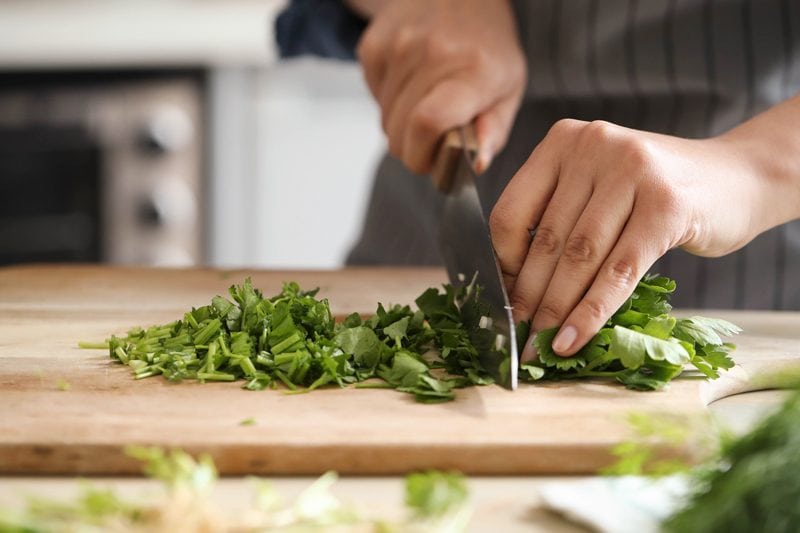
The key to chopping efficiently is using the rocking motion of the chef’s knife. Instead of lifting the knife completely off the cutting board each time, the tip of the blade stays in contact with the board while the knife rocks forward and backward.
How to chop like a chef
-
Hold the knife with a pinch grip for better control.
-
Curl your guiding fingers into a “claw” to protect them.
-
Keep the knife tip on the cutting board.
-
Rock the blade smoothly while guiding the ingredient.
This motion allows you to chop ingredients quickly and consistently.
If chopping herbs feels difficult or your knife crushes vegetables instead of cutting them cleanly, your blade may be dull. Tools like the SharpenX knife sharpener help restore the cutting edge quickly, making everyday prep much easier.
2. Slice – Clean Cuts for Meat, Fish, and Vegetables
Slicing is a technique used to cut ingredients into thin, uniform pieces. It’s commonly used for proteins like meat and fish, as well as vegetables such as tomatoes, cucumbers, and mushrooms.
Unlike chopping, slicing requires long, smooth strokes of the blade.
When to use slicing
-
cutting chicken breast
-
slicing steak
-
preparing salmon
-
cutting tomatoes
-
slicing cucumbers
The key to slicing meat properly is cutting against the grain. Muscle fibers run in a specific direction, and cutting across those fibers shortens them, making the meat more tender.
Professional chefs recommend letting the knife glide through the ingredient rather than pressing downward with force.
Sharp knives are especially important for slicing delicate foods like fish or tomatoes. A dull blade can tear the ingredient rather than cutting it cleanly.

3. Dice – Creating Perfect Cubes for Even Cooking
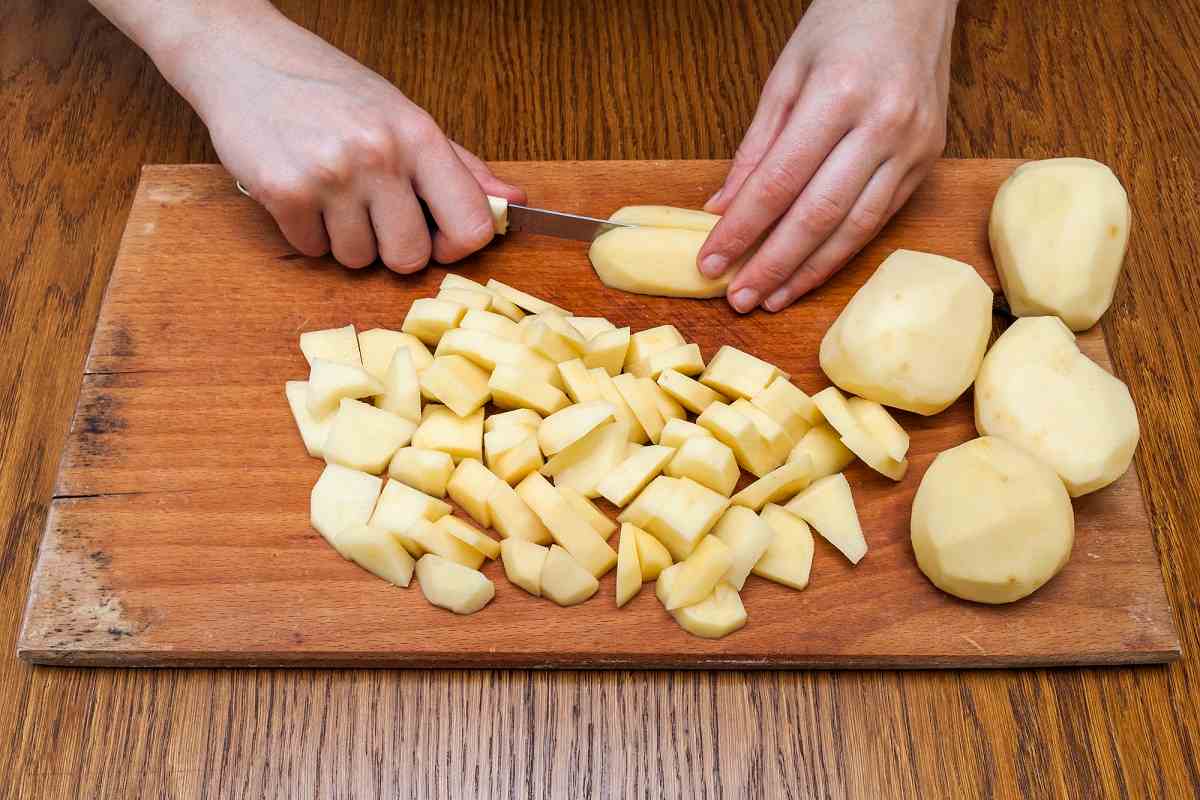
Dicing is one of the most important knife techniques because it ensures ingredients cook evenly. When vegetables are cut into uniform cubes, they cook at the same rate and create a better texture in dishes like soups, stir-fries, and stews.
Many professional recipes rely on proper dicing to achieve consistent flavor and presentation.
Common ingredients that are diced include:
-
onions
-
carrots
-
potatoes
-
celery
-
bell peppers
Step-by-step dicing method
-
Cut the ingredient into flat slices.
-
Slice the pieces into sticks (batons).
-
Turn the sticks sideways.
-
Cut across them to form cubes.
There are several common dice sizes:
-
Small dice – about ¼ inch
-
Medium dice – about ½ inch
-
Large dice – about ¾ inch
A clean dice requires a sharp knife and stable cutting board. Professional chefs also maintain their blades using a honing rod to keep the edge aligned between sharpenings.
Using a SharpenX honing rod before cooking helps maintain the blade’s precision so every cut stays smooth and controlled.
4. Julienne – Thin Strips Used in Professional Cooking
Julienne is a classic French cutting technique that produces thin, matchstick-like strips of vegetables. These elegant cuts are commonly used in salads, stir-fries, and garnishes.
Julienne cuts cook quickly and provide a beautiful presentation on the plate.
Typical vegetables used for julienne include:
-
carrots
-
zucchini
-
cucumbers
-
bell peppers
-
ginger
How to make julienne cuts
-
Trim the vegetable into a rectangular shape.
-
Slice it into thin planks.
-
Stack the planks.
-
Cut them into thin matchstick strips.
Julienne strips are typically around 1/8 inch thick.
This technique is widely used in professional kitchens because it improves both cooking time and visual presentation.
Because these cuts are so thin, knife sharpness is extremely important. If the blade drags across the vegetable instead of cutting smoothly, the strips will lose their shape.
Maintaining your knife regularly with a SharpenX sharpener ensures precise, clean cuts even with delicate ingredients.

5. Mince – Unlocking Maximum Flavor
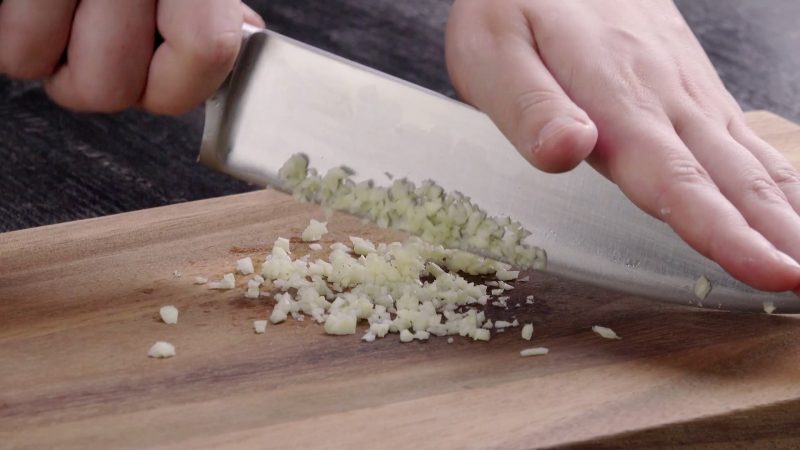
Mincing creates extremely small pieces of ingredients, allowing their flavor to spread evenly throughout a dish.
This technique is especially useful for aromatic ingredients.
Foods commonly minced include:
-
garlic
-
ginger
-
parsley
-
cilantro
-
shallots
How to mince ingredients
-
Start with a rough chop.
-
Gather the pieces into a pile.
-
Place one hand on the top of the blade.
-
Rock the knife repeatedly across the pile until the pieces are very fine.
Mincing helps release natural oils and aromas from herbs and spices, which enhances the flavor of sauces, marinades, and soups.
A sharp blade is especially important for mincing herbs. Dull knives bruise delicate leaves and damage their flavor.
Why Knife Skills Matter
Knife skills are one of the most important foundations of cooking. When ingredients are cut evenly, they cook more consistently and improve the overall texture of a dish.
Learning these five essential techniques will help you:
-
prepare ingredients faster
-
cook more evenly
-
improve presentation
-
reduce kitchen accidents
But technique alone isn’t enough.
Every chef knows that great knife skills always start with a properly maintained knife.
Using a knife sharpener and honing rod regularly ensures your blades remain safe, precise, and ready for every meal you prepare.


