

Let’s get something straight:
👉 You’re not paying for a knife sharpener.
👉 You’re paying for what happens to your knife after 30 days of use.
Because in the world of kitchen tools, price tags lie.
A $10 sharpener can quietly destroy a $150 knife.
A $165 sharpener can look premium… and still waste your time.
And sometimes — the smartest option sits right in the middle, doing the job better than both.
Let me show you exactly how this breaks down.
💀 Category 1 — The $10 No-Name Trap
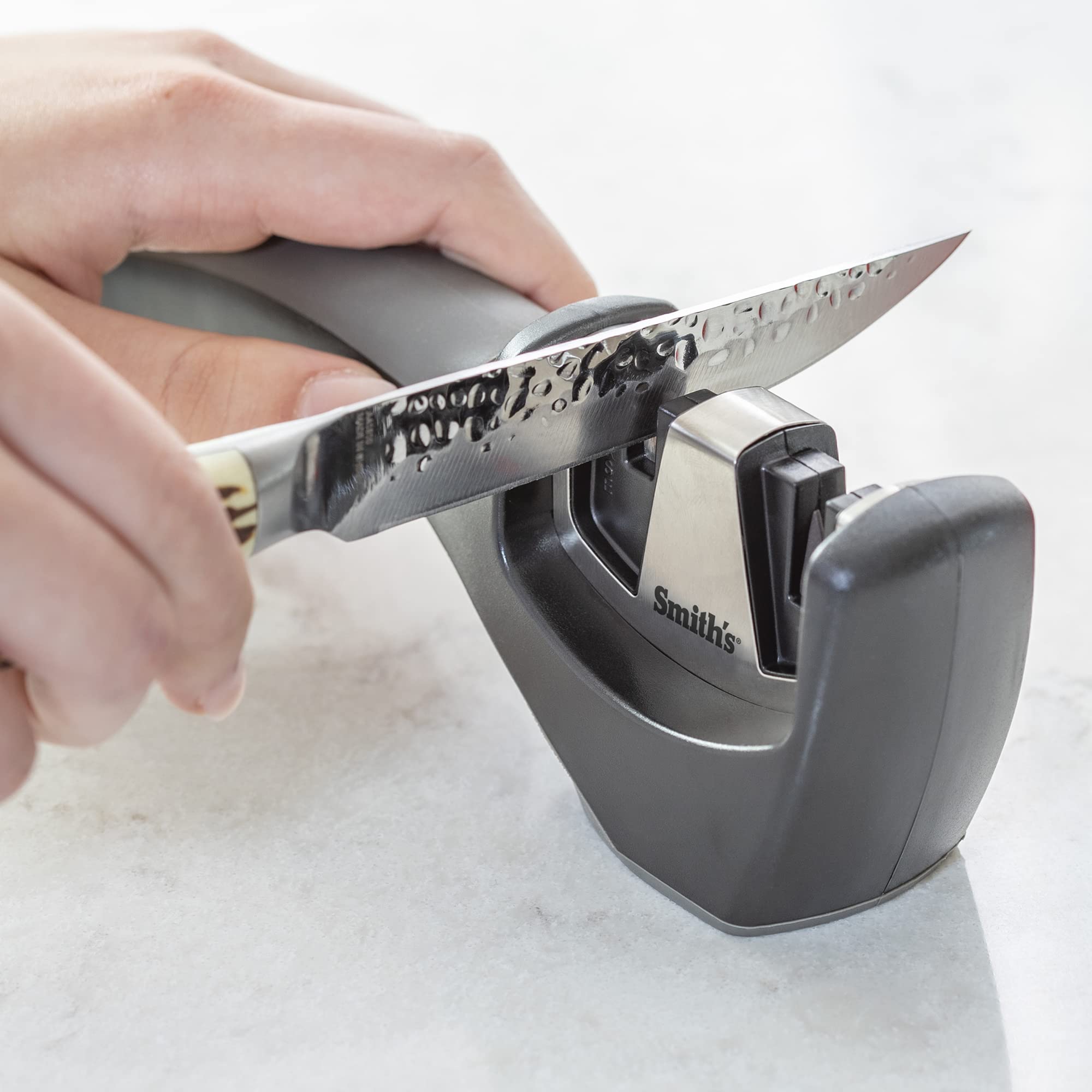
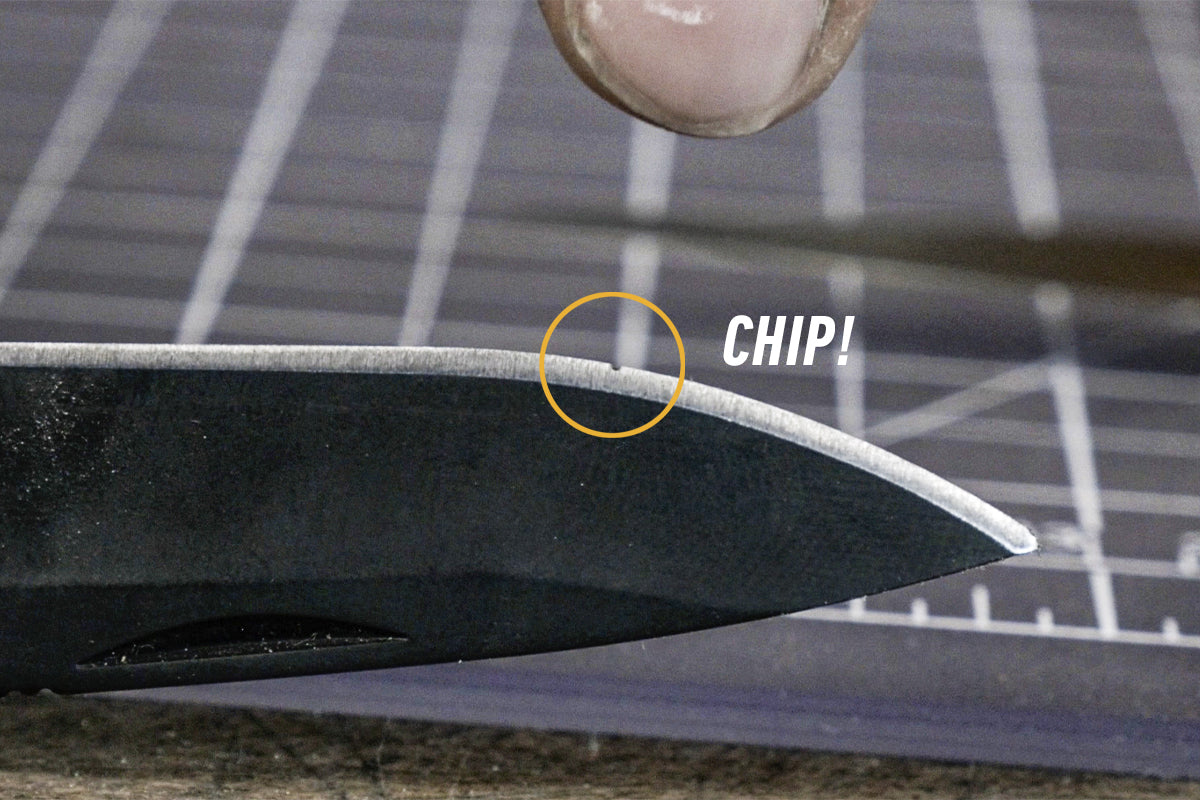
This is where most people start.
And almost everyone regrets it.
My experience:
- Day 1 → “Hey, it works.”
- Day 5 → Knife feels inconsistent
- Day 10 → You start pressing harder
- Day 14 → Blade is хуже, чем был
What’s really happening:
- The angle isn’t controlled
- Metal is removed unevenly
- The edge becomes fragile
👉 It’s not sharpening. It’s accelerated wear.
And the worst part?
You don’t notice the damage until it’s too late.
💸 Category 2 — Overpriced “Premium” Systems
(Tumbler & similar)
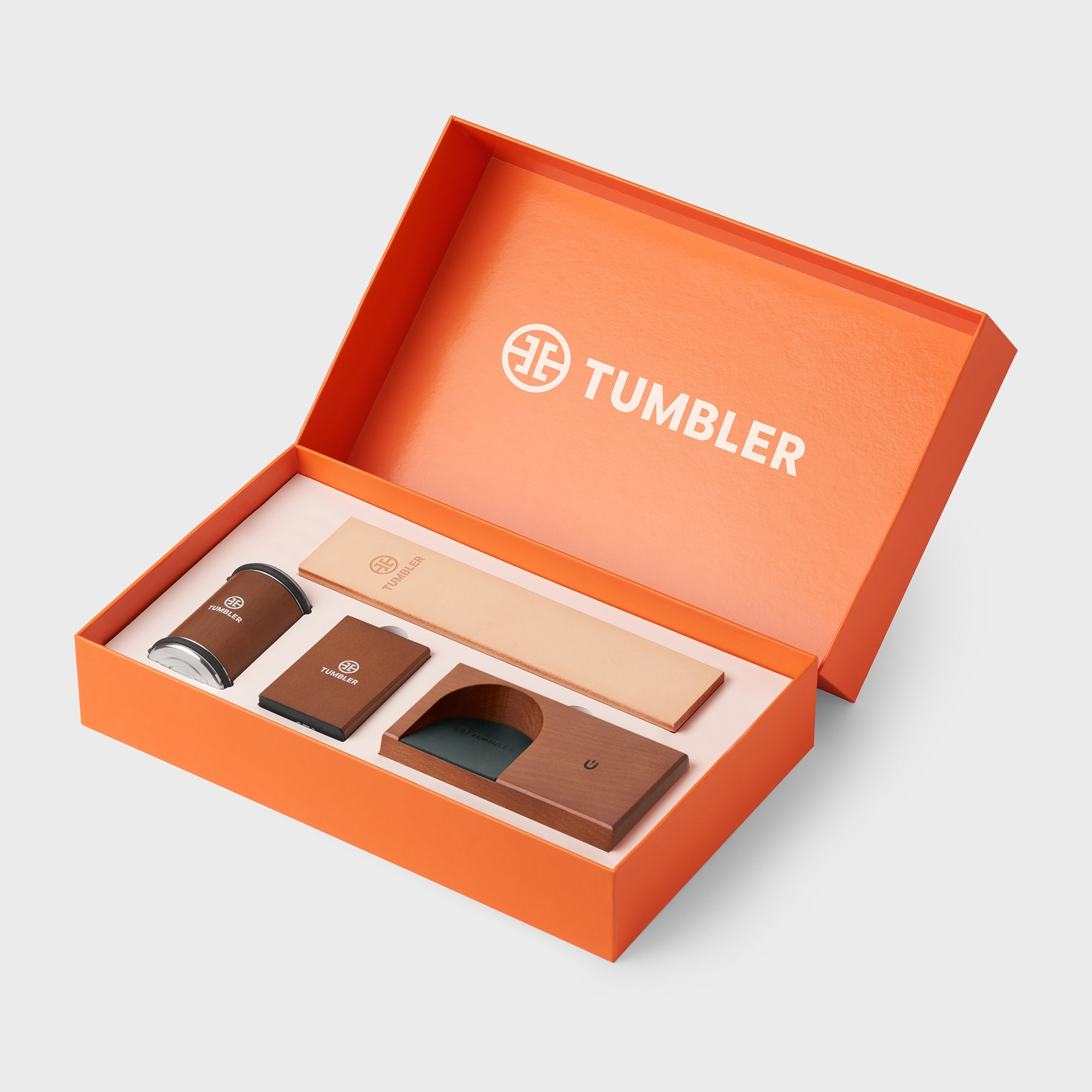
Now we jump to the other extreme.
This is where everything feels… premium.
You open the box and think:
👉 “Okay, this was worth it.”
And to be fair — these systems do work.
My experience (with Tumbler-style sharpeners):
- Smooth rolling action
- Stable magnetic system
- Controlled sharpening
It feels precise. Intentional. Almost therapeutic.
But here’s what you’re really paying for:
- Packaging experience
- Visual design
- Brand perception
And after a week of real cooking, something shifts.
You start noticing:
- It takes time to get a proper edge
- You need multiple passes
- It becomes a task, not a quick fix
And then the number hits you again:
👉 $150+
For something you don’t always feel like using.
👉 Premium doesn’t always mean efficient.
⚖️ Category 3 — The Smart Zone (SharpenX)

This is where things finally make sense.
No gimmicks.
No overdesign.
No unnecessary complexity.
Just performance.
My experience:
- First use → sharp in under a minute
- No setup, no thinking
- Same result every time
But the real difference shows up when you compare it directly to “premium” systems.
After using both, you start noticing:
- The materials feel more forgiving on the blade
- The motion is smoother, more controlled
- The result comes faster — with less effort
And then there’s the part that flips everything:
👉 ~$89.99
Almost half the price of tools like Tumbler.
Yet:
- Faster in real use
- More consistent
- Easier to integrate into daily cooking
👉 Tumbler feels premium when you open it.
👉 SharpenX feels premium every time you use it.
🧠 So What Are You Actually Paying For?
Let’s break it down simply:
- $10 sharpeners → you pay with your knives
- $150+ sharpeners → you pay for the experience & branding
- Smart tools → you pay for results
And in a real kitchen?
👉 Results are the only thing that matter.
🧾 Final Take
After testing all three categories the same way — cooking, cleaning, repeating — here’s the truth:
- Cheap tools cost you more over time
- Overpriced tools cost you time and money
- The right tool saves both
👉 The goal isn’t to spend more.
👉 The goal is to sharpen smarter.
🔗 What to Read Next
Want to see how SharpenX performs head-to-head against a major competitor?
→ Read next: This Is the Last Knife Tool You’ll Ever Need
Or follow SharpenX Edge — where we separate real kitchen tools from marketing hype.


