

Most cooking mistakes don’t look like mistakes.
They look normal. Familiar. Harmless.
That’s exactly why they stay with people for years.
Not because someone can’t cook — but because no one ever pointed them out.
So let’s do that now.
❌ 1. Using a Dull Knife

A dull knife doesn’t just make prep annoying — it changes the whole cooking experience.
Instead of slicing cleanly, it crushes soft ingredients, slips on smooth surfaces, and forces you to use more pressure than you should. That means less control, messier cuts, and more risk for your fingers.
A lot of people think they need better technique.
Sometimes they just need a knife that actually cuts.
❌ 2. Overcrowding the Pan
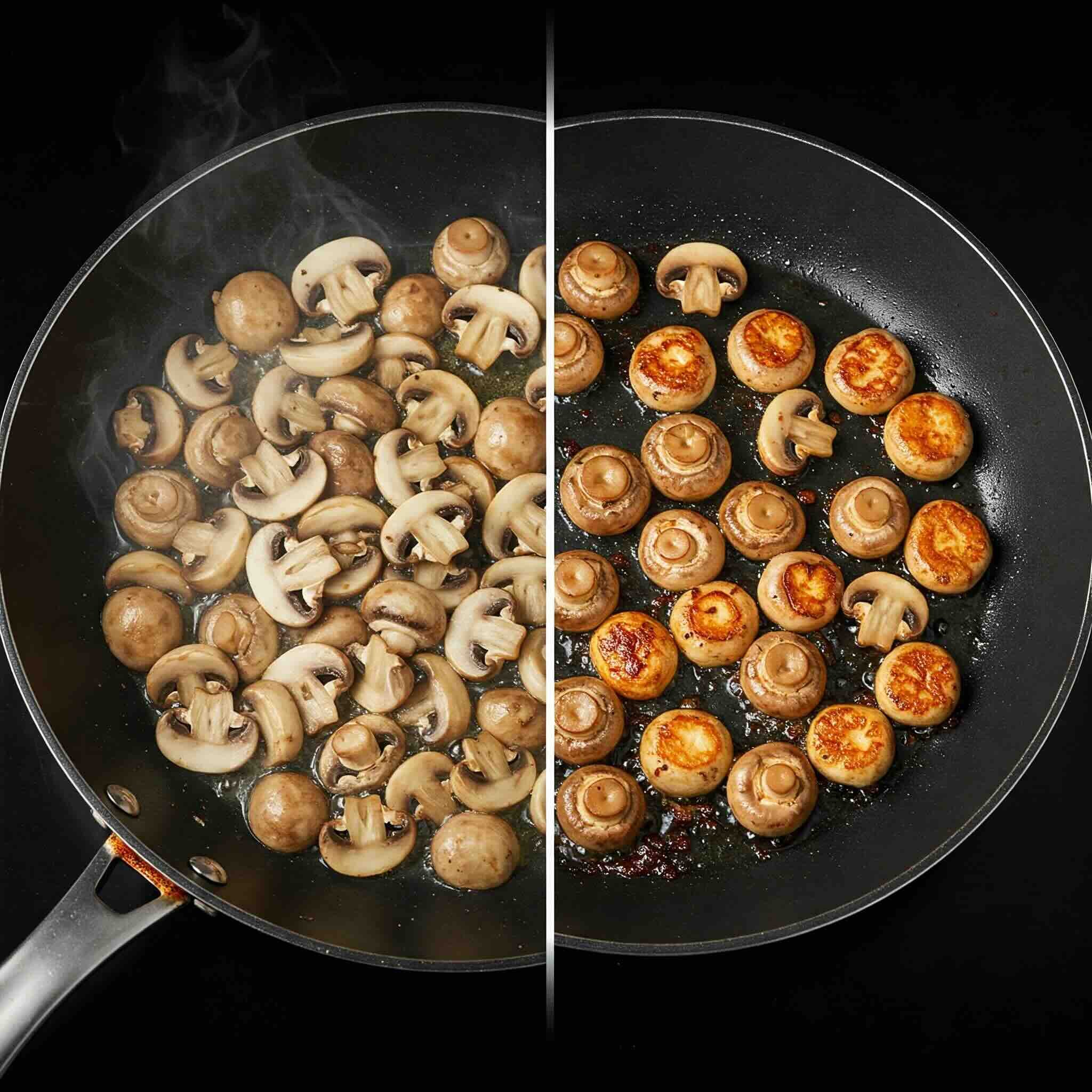
When you put too much food into one pan, the temperature drops fast.
Instead of browning, your food starts steaming in its own moisture. That’s why vegetables go limp and meat turns gray instead of building that rich golden crust everyone wants.
Give food some breathing room.
A pan isn’t a subway at rush hour.
❌ 3. Cooking on High Heat All the Time

High heat has its place — but using it for everything is one of the fastest ways to ruin texture.
Food can burn on the outside before the inside has time to cook properly. You end up with meals that look dramatic but taste uneven, dry, or rushed.
Good cooking isn’t about aggression.
It’s about matching the heat to the job.
❌ 4. Not Preheating the Pan
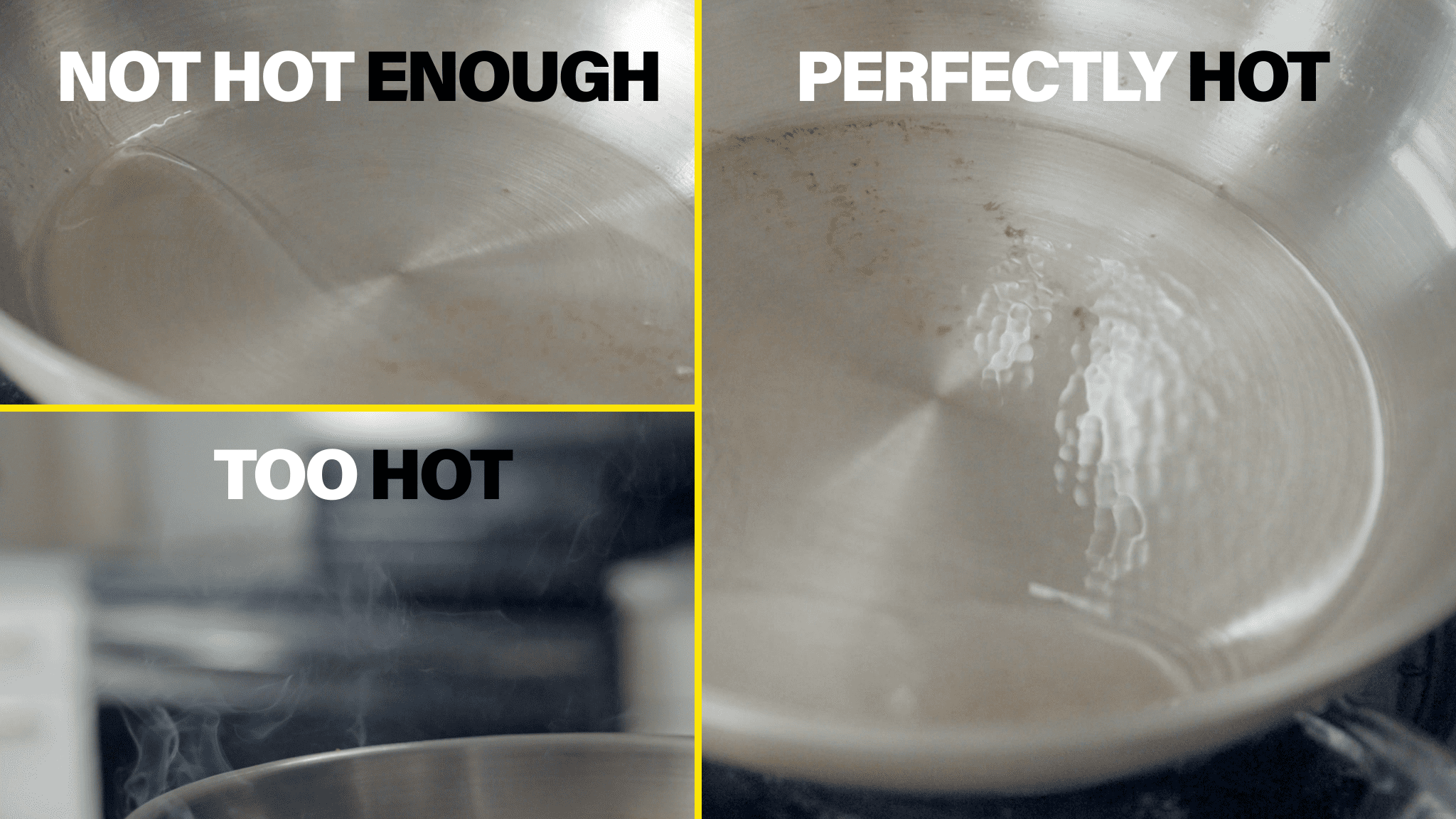
A cold pan creates problems before cooking even begins.
Food sticks more easily, oil spreads unevenly, and you lose control over texture from the first second. Preheating helps ingredients cook more predictably and gives you a much better surface for browning and searing.
A few extra seconds at the start can save the whole dish.
❌ 5. Ignoring Knife Technique
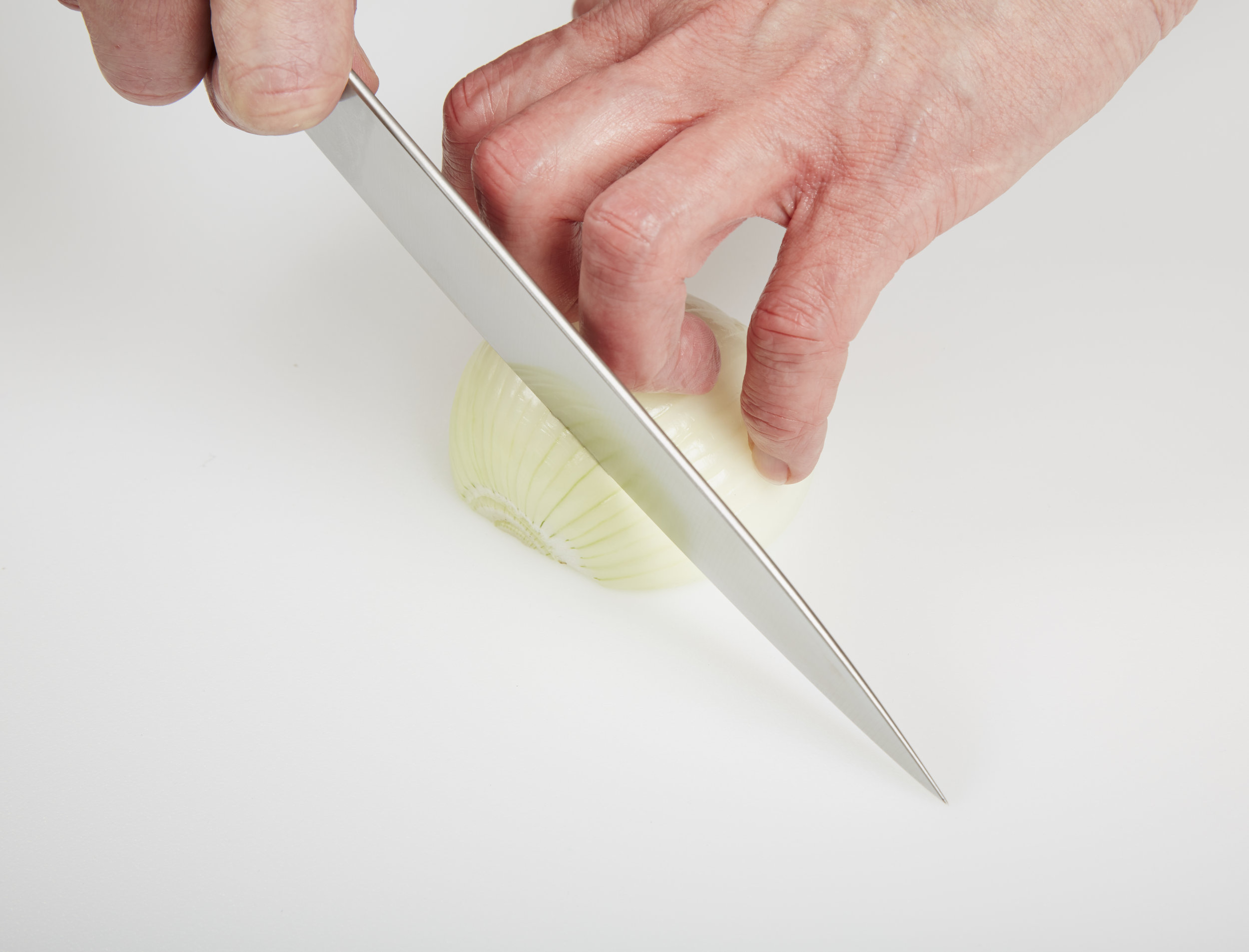
Bad knife technique makes everything harder than it needs to be.
If your grip is awkward or your fingers aren’t positioned safely, you lose speed, control, and confidence all at once. Even with a decent knife, poor movement creates uneven cuts and unnecessary fatigue.
Technique doesn’t have to look fancy.
It just has to make your work safer and smoother.
❌ 6. Cutting Uneven Pieces

Small pieces burn.
Big ones stay raw.
Simple — but extremely common.
Uneven cutting may seem minor, but it affects almost every part of cooking.
Small pieces cook too fast, large ones lag behind, and suddenly one pan contains three different textures. Some bites are perfect, some are undercooked, and others are already falling apart.
Uniform cuts create even cooking.
Even cooking creates better food.
❌ 7. Adding Salt Too Late
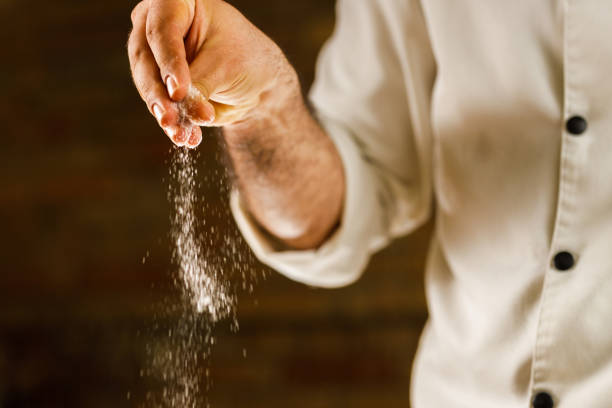
Flavor doesn’t develop — it just sits on top.
Salt is not just a finishing touch — it’s part of how flavor develops.
When you season too late, the salt stays mostly on the surface. When you season earlier, it has time to blend into the ingredient and bring out more depth from the inside, not just the top.
It’s a small timing change that makes food taste more complete.
❌ 8. Not Tasting While Cooking

You’re guessing instead of adjusting.
If you never taste as you go, you’re basically cooking blind.
Flavor changes in stages. Acidity, salt, sweetness, bitterness — all of it shifts during the process. Tasting lets you adjust before a small imbalance becomes a full problem on the plate.
You don’t need to taste constantly.
But you do need to check in.
❌ 9. Using the Wrong Knife

Not every knife is universal.
Using the wrong knife can slow you down, damage delicate ingredients, and make prep feel awkward for no reason. A large chef’s knife, a serrated blade, and a paring knife all exist for different types of work.
The right tool makes cooking feel lighter.
The wrong one makes everything feel stubborn.
❌ 10. Forcing the Cut Instead of Letting the Blade Work

If you need force — something is already wrong.
Usually…
it’s the knife.
One of the clearest signs something is wrong in the kitchen is when every cut feels like effort.
If you have to push hard, saw aggressively, or fight your way through basic ingredients, the issue usually isn’t your strength. It’s the blade, the angle, or the condition of the knife itself.
A good cut should feel controlled, smooth, and almost quiet.
If it feels like a battle, something needs attention.
🧠 Final Thought
Most people don’t need more recipes.
They need fewer silent mistakes.
Fix a few habits, improve a few tools, and cooking starts feeling very different — less chaotic, more controlled, and a lot more enjoyable.
That’s usually where confidence begins.
🔗 What to Read Next
If one mistake stood out more than the others — especially the knife-related ones —
👉 “A “Good Enough” Knife Is Quietly Ruining Your Cooking"
It’s the next article for a reason.
And if you want more sharp kitchen insights, practical tips, and simple upgrades that actually change how cooking feels, follow and stay connected with SharpenX Edge on social media.


