

No one teaches you how to feel your way through cooking.
They teach recipes.
Timers.
Exact measurements.
But the real shift?
It happens when you stop following instructions…
and start paying attention.
Because cooking isn’t just doing.
It’s noticing.
👀 1. Reading Food Instead of Following Recipes
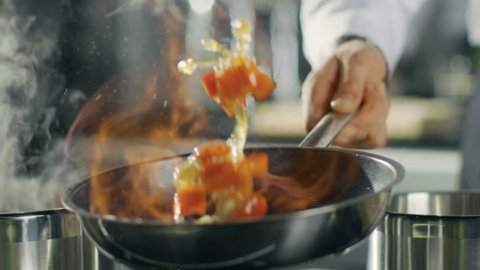
Recipes say:
“Cook for 5 minutes.”
But food doesn’t follow timers.
It shows you signals:
- color deepens
- texture tightens
- moisture changes
Great cooks don’t guess.
They observe.
🔊 2. Listening to Your Pan
Your pan is always talking.
Most people just ignore it.
Listen closely:
- quiet → not ready
- aggressive crackling → too hot
- steady sizzle → perfect
Sound is feedback.
And it’s instant.
👃 3. Cooking by Smell (The Most Underrated Skill)

Before something burns —
you smell it.
Before something is ready —
you smell it.
Your nose catches changes faster than your eyes.
Learn to trust it.
🧠 4. Knowing When Something Is “Off”

Good cooks don’t wait for mistakes to become obvious.
They catch them early:
- color slightly off
- smell slightly sharp
- texture slightly wrong
That “something’s off” feeling?
That’s skill.
🔪 5. Respecting Your Tools (Especially Your Knife)
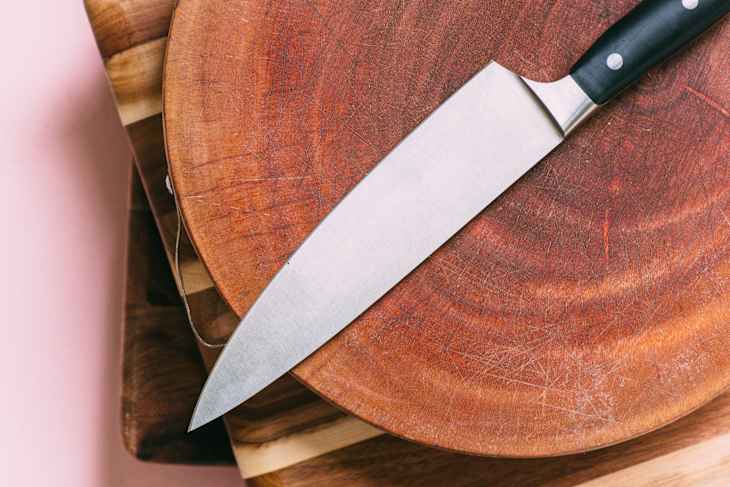
This is where everything connects.
You can try to feel your food…
but if your tools are working against you —
you’ll always be one step behind.
A bad knife:
- distorts texture
- removes control
- delays feedback
A sharp one?
It makes everything clearer.
And easier.
🧠 Final Thought
Recipes teach you what to do.
But real cooking begins when you understand
what’s actually happening.
That’s when you stop guessing.
And start cooking with confidence.
🔗 What to Read Next
If you’ve ever felt like something in your cooking is “off”…
but couldn’t explain why —
👉 “The Most Dangerous Knife in Your Kitchen Isn’t the Sharp One”
That’s where most people lose control without realizing it.
And if you want to sharpen not just your knives — but your instincts too —
follow us and stay close.


